Once upon a time, there was a little girl named Nikki who loved to play outside. She would run around the yard, climb trees, and ride her bike. One day, Nikki’s father was watching her play and he asked her, “Do you know the difference between speed and velocity?”
Nikki shook her head. “No,” she said. “What’s the difference?”
“Speed is how fast you’re moving,” her father explained. “But velocity is speed with direction. So, if you’re running north at 5 kilometres per hour, your velocity is 5 kilometres per hour north.”
Nikki thought about this for a moment. “I think I get it,” she said. “So, if I’m running east at 5 kilometres per hour, and then I turn and start running west at 5 kilometres per hour, my velocity is still 5 kilometres per hour, but it’s changing direction.”
“That’s right,” her father said. “Velocity is always changing, because things are always moving around us. But speed is a little more constant. It’s the rate at which you’re moving, regardless of direction.”
Nikki smiled. “I’m glad I know the difference now,” she said. “Thanks, Papa!”
Nikki’s father smiled back. “You’re welcome,” he said. “Now go outside and play some more!”
Nikki ran off to play, and she thought about what her father had said. She realized that she had been using the terms “speed” and “velocity” interchangeably, but now she knew that there was a difference. She also realized that velocity was a more important concept, because it took into account the direction of motion.
Nikki continued to play outside, and she kept an eye on her velocity. She ran north, south, east, and west, and she even tried spinning around in circles. She had a lot of fun, and she learned a lot about speed and Velocity along the way.
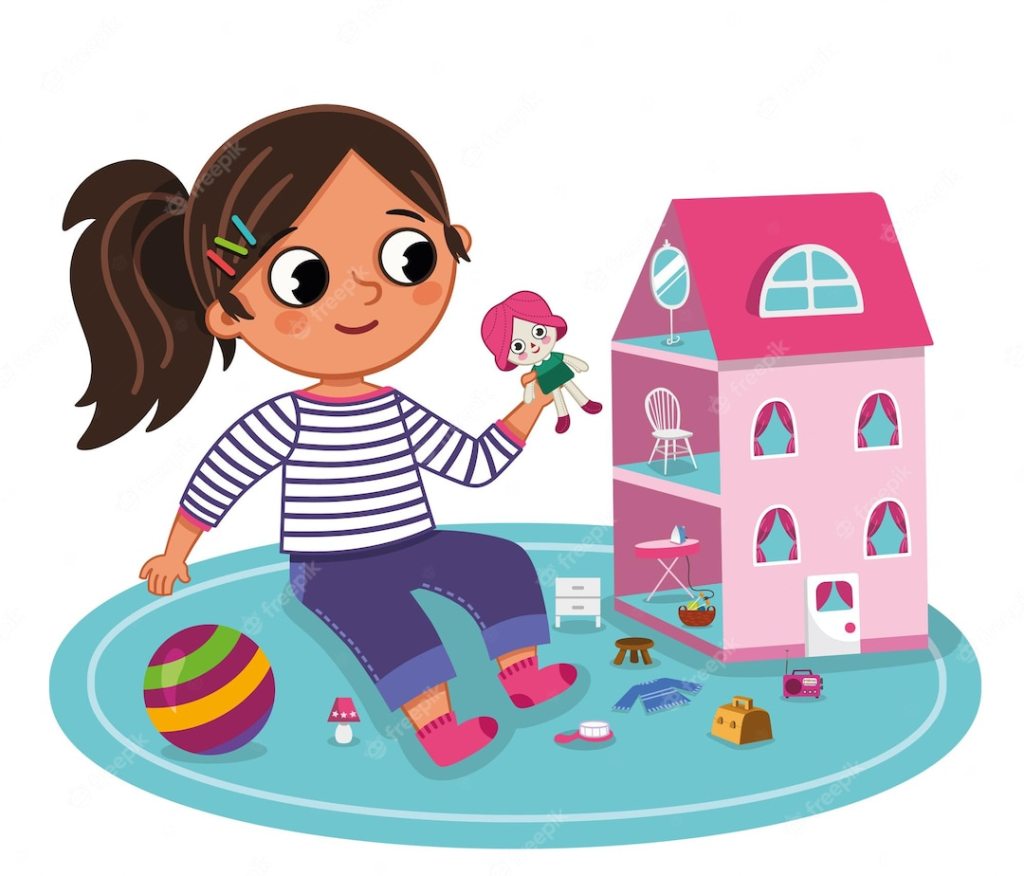
Once upon a time, there was a little girl named Nikki who loved to play with her toys. One day, she was playing with her dollhouse when she noticed that the roof was starting to sag. She asked her father, “Papa, why is the roof sagging?” Her father explained that it was because of pressure.
“Pressure is the force that is pushing down on something. The more pressure that is applied, the more the material will bend or deform. In the case of your dollhouse, the weight of the roof was putting pressure on the walls, which caused them to bend.”
Nikki’s father also told her about stress and tension. “Stress is the force that is pulling on something. The more stress that is applied, the more the material will stretch or break. In the case of your dollhouse, the weight of the roof was putting stress on the walls, which caused them to stretch.”
Nikki was amazed to learn about pressure, stress and tension. She realized that these forces are all around us, and they can affect the way that materials behave. She also learned that different materials can withstand different amounts of pressure and stress. For example, a metal roof would be more likely to withstand the weight of snow than a wooden roof.
Nikki was so excited about what she had learned that she decided to build her own dollhouse. She used a strong metal frame and a lightweight plastic roof. She also made sure to put supports under the roof to help distribute the weight.
When Nikki was finished, her dollhouse was strong and sturdy, and it would not sag or collapse, even under a lot of pressure.
Once upon a time, there was a little girl named Nikki who loved to play. She would run and jump and climb all day long. One day, Nikki was playing in the park when she saw a big rock. She wanted to move the rock, but it was too heavy. She tried pushing and pulling, but the rock wouldn’t budge.
Nikki’s father, came over to help. They both pushed and pulled on the rock, but it still wouldn’t move. They were tired and about to give up when Nikki’s father had an idea. He ran to the playground and got a big stick. He used the stick to lever the rock up and over. The rock rolled out of the way, and Nikki and her father were able to pass by.
Nikki asked her father, ” Papa, how come we were able to move the rock with the stick, but we couldn’t move it by ourselves?”
Her father explained, “When we pushed and pulled on the rock, we were doing work. Work is when you use force to move something. But the rock was too heavy for us to move by ourselves. When we used the stick, we were able to use more force. That’s why we were able to move the rock.”
Nikki said, “I see. So, work is using force to move something, and energy is the power to do work. Right?”
Her father said, “That’s right. Energy can be in different forms, like kinetic energy and potential energy. Kinetic energy is the energy of motion. When you’re running or jumping, you have kinetic energy. Potential energy is the energy that something has because of its position. For example, a rock that’s sitting on a hill has potential energy. If it falls, the potential energy will be converted into kinetic energy.”
Nikki said, “That’s so interesting! So, power is how much work you can do in a certain amount of time?”
Her father said, “That’s right. Power is the rate at which work is done. So, a car that can go from 0 to 60 kilometres per hour in 6 seconds has more power than a car that can go from 0 to 60 kilometres per hour in 12 seconds.”
Nikki said, “Wow! I never knew that work, energy, and power were all connected. Thanks for explaining it to me, Papa!”
Her father said, “You’re welcome, Nikki. I’m glad I could help.”
Nikki and her father continued to play in the park, and Nikki learned a lot about work, energy, and power. They had a lot of fun, and they even moved a few more rocks.
Once upon a time, there was a little girl named Nikki who wanted to build a house as part of her school project. She asked her father to bring different materials for her house, while returning from office. Her father brought straw, wood, and bricks from the market. She asked her father regarding why he has brought all the three. In reply, his father told him the story of “The three little pigs” to explain the reason.
Once upon a time there were three little pigs who wanted to build their own house. The first pig built his house with straw. He said, “This is easy and cheap. I don’t need to work hard or spend much money. My house is good enough for me.” The second pig built his house with wood. He said, “This is better than straw. It is stronger and more durable. My house will last longer and protect me better.” The third pig built his house with bricks. He said, “This is the best material for my house. It is very strong and very hard. My house will not break or bend no matter what happens.”
One day, a big bad wolf came to the village. He was hungry and wanted to eat the three little pigs. He went to the first pig’s house and knocked on the door. He said, “Little pig, little pig, let me in.” The first pig said, “No, no, no, not by the hair of my chinny chin chin.” The wolf said, “Then I’ll huff and I’ll puff and I’ll blow your house down.” He huffed and he puffed and he blew the straw house down. The straw was not strong enough to resist the force of the wolf’s breath. The first pig ran away to the second pig’s house.
The wolf followed him and went to the second pig’s house. He knocked on the door and said, “Little pig, little pig, let me in.” The second pig said, “No, no, no, not by the hair of my chinny chin chin.” The wolf said, “Then I’ll huff and I’ll puff and I’ll blow your house down.” He huffed and he puffed and he blew the wood house down. The wood was stronger than straw, but not strong enough to resist the force of the wolf’s breath. The second pig ran away to the third pig’s house.
The wolf followed him and went to the third pig’s house. He knocked on the door and said, “Little pig, little pig, let me in.” The third pig said, “No, no, no, not by the hair of my chinny chin chin.” The wolf said, “Then I’ll huff and I’ll puff and I’ll blow your house down.” He huffed and he puffed and he tried to blow the brick house down. But he could not do it. The bricks were very strong and very hard. They did not break or bend by the force of the wolf’s breath. The wolf tried again and again, but he failed every time.
The wolf gave up and decided to try another way. He climbed up on the roof of the brick house and tried to get in through the chimney. But he did not know that there was a fire burning in the fireplace below. As soon as he reached the bottom of the chimney, he fell into the fire and burned his tail. He screamed in pain and ran away as fast as he could.
The three little pigs were safe and happy in their brick house. They learned a lesson that day: strength of materials matters when building a house.
Nikki appreciated the story as well as importance of strength of materials for her house construction project. She made three models of houses- straw based, wood based and brick based with the help of her father. She also demonstrated how the brick based house was stronger than the other two and therefore a brick based house will keep us safe and will last longer.
The three little pigs
Her teacher and friends also appreciated her efforts and understanding.
Once upon a time, there was a little girl named Nikki. She was a curious and adventurous girl who loved to explore new things. One day, she found a dusty old lamp in her attic. She rubbed it with a cloth and was surprised to see a genie pop out of it.
“Hello, little girl. I am the genie of the lamp. You have three wishes, but be careful what you wish for,” the genie said.
Nikki thought for a moment and said, “I wish I could fly.”
The genie nodded and said, “As you wish.” He snapped his fingers and Nikki felt a pair of wings sprout from her back. She was delighted and flew around the room, feeling the wind in her hair.
“Wow, this is amazing! Thank you, genie!” she exclaimed.
The genie smiled and said, “You’re welcome. But remember, every wish has a price. You see, energy cannot be created or destroyed, only changed from one form to another or transferred from one object to another. That is the law of conservation of energy. When I gave you wings, I had to take some of your energy and change it into wing energy. That means you will get tired faster when you fly.”
Nikki didn’t understand what the genie meant, but she didn’t care. She was having too much fun flying. She flew out of the window and soared over the trees and houses. She felt free and happy.
But soon, she started to feel tired and hungry. She realized that flying was hard work and that she needed more energy to keep going. She decided to go back home and have a snack.
She flew back to her room and landed on her bed. She took off her wings and put them on the floor. She felt a pang of sadness as she said goodbye to them.
She ran downstairs and grabbed an apple from the kitchen. She took a bite and felt a surge of energy in her body. She wondered where the energy came from.
She went back upstairs and asked the genie, “Genie, where does the energy in food come from?”
The genie said, “Food is a form of stored energy that comes from plants or animals. Plants get their energy from the sun through a process called photosynthesis. They use sunlight, water, and carbon dioxide to make sugar and oxygen. The sugar is their food and the oxygen is what we breathe. Animals get their energy by eating plants or other animals. When you eat food, you break down the sugar and release the energy that was stored in it. That energy is what makes you move and grow.”
Nikki was amazed by what the genie said. She realized that energy was everywhere and that it could change from one form to another.
She said, “Genie, I have another wish. I wish I could see all the different forms of energy.”
The genie said, “As you wish.” He snapped his fingers and Nikki’s eyes sparkled with magic. She could see things that she couldn’t see before.
She looked at the lamp and saw that it had electrical energy flowing through it. The electrical energy came from a power plant that burned coal or gas or used water or wind to make electricity.
She looked at the window and saw that it had light energy coming through it. The light energy came from the sun, which was a huge ball of fire that made heat and light by fusing hydrogen atoms into helium atoms.
She looked at her radio and saw that it had sound energy coming out of it. The sound energy came from the speakers, which vibrated the air molecules around them.
She looked at her teddy bear and saw that it had thermal energy in it. The thermal energy came from her body heat, which warmed up the teddy bear when she hugged it.
She looked at herself in the mirror and saw that she had kinetic energy in her. The kinetic energy came from her muscles, which contracted and relaxed when she moved.
She looked at everything around her and saw that everything had some form of energy in it or around it. She was amazed by how many different forms of energy there were.
She said, “Genie, this is awesome! Thank you for showing me this!”
The genie said, “You’re welcome. But remember, every wish has a price. You see, when you change one form of energy into another or transfer it from one object to another, some of the energy is always lost as heat or sound or light or other forms that are not useful for what you want to do. That is why machines are never 100% efficient and why you need more fuel or electricity or food to keep them running. That is also part of the law of conservation of energy.”
Nikki didn’t understand what the genie meant, but she didn’t care. She was having too much fun seeing all the different forms of energy.
She decided to go outside and play with her friends.
Gungun was a happy elastic band who lived in a stationery shop. She loved to play with her friends, the pencils, the erasers, and the paper clips. They had a lot of fun together, making shapes and patterns with their bodies.
One day, a little girl named Nikki came to the shop with her father. She was looking for some supplies for her school project. She saw Gungun and her friends and thought they were very cute. She asked her father if she could buy them.
“Of course, dear. They are very useful and cheap,” her father said.
Nikki was very excited. She put Gungun and her friends in her backpack and took them home. She couldn’t wait to use them for her project.
The next day, Nikki started working on her project. She wanted to make a collage of different animals using paper and glue. She took out Gungun and her friends and asked them to help her.
“Hi, I’m Nikki. Thank you for coming with me. You are all very nice and pretty,” she said.
“Hi, I’m Gungun. This is Pihu the pencil, Palakshi the eraser, and Sanvi the paper clip. We are happy to help you,” Gungun said.
Nikki smiled. She took Pihu and drew some outlines of animals on the paper. Then she took Palakshi and erased the extra lines. Then she took Sanvi and clipped some pieces of paper together to make the animals look more colorful.
“Wow, you are all very good at what you do,” Nikki said.
“Thank you,” they said.
Then Nikki looked at Gungun and wondered what she could do with her.
“Hmm, what can I do with you, Gungun? You are very stretchy and bendy, but how can I use you for my project?” she asked.
Gungun thought for a moment. Then she had an idea.
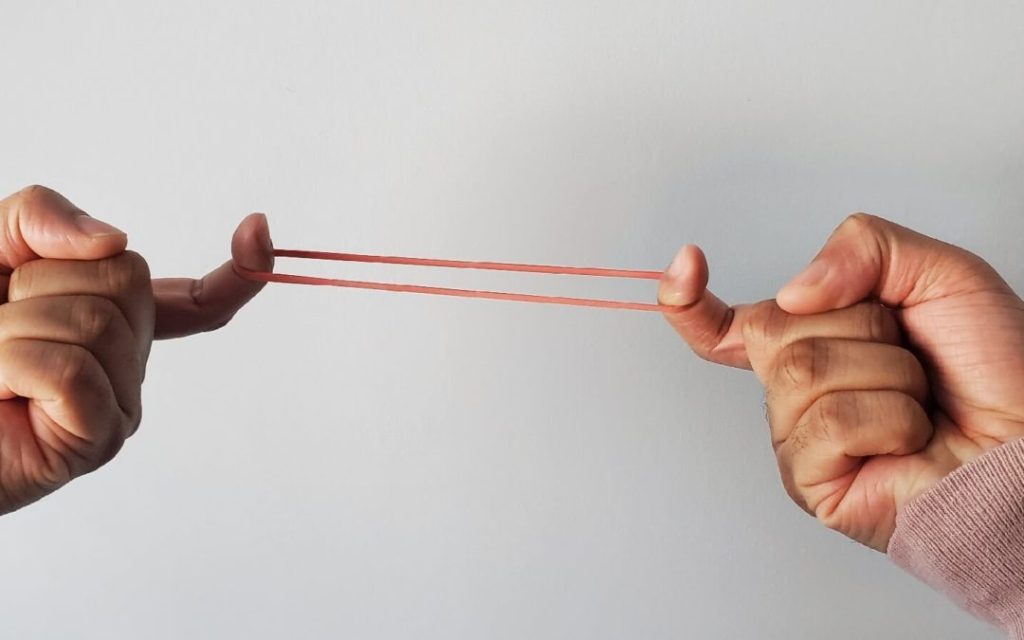
“I know! You can use me to make some curly hair for your animals. Look, I can stretch myself like this,” she said, pulling herself from both ends.
“Wow, that’s amazing! You can stretch so much without breaking,” Nikki said.
“Yes, that’s because I’m elastic. Elastic means that I can change my shape when you pull me or push me, but I can go back to my original shape when you let me go,” Gungun explained.
“That’s so cool! How do you do that?” Nikki asked.
“Well, it’s because of the way I’m made. Inside me, there are many tiny molecules that are like little balls connected by springs. When you pull me, the springs stretch and the balls move apart. When you let me go, the springs snap back and the balls come together again,” Gungun said.
“Wow, that’s very interesting. So you are like a spring toy?” Nikki asked.
“Yes, kind of. But not all things are elastic like me. Some things are plastic or rigid. Plastic means that they can change their shape when you pull them or push them, but they don’t go back to their original shape when you let them go. Rigid means that they don’t change their shape at all when you pull them or push them,” Gungun said.
“Can you give me some examples?” Nikki asked.
“Sure. For example, clay is plastic. You can mold it into different shapes with your hands, but it stays in that shape unless you mold it again. Steel is rigid. You can’t bend it or stretch it with your hands at all,” Gungun said.
“I see. So elasticity is a property that some materials have and some don’t,” Nikki said.
“Yes, that’s right. And different materials have different limits of elasticity. That means that they can only stretch or bend so much before they break or lose their elasticity,” Gungun said.
“What do you mean?” Nikki asked.
“Well, for example, I can stretch a lot more than Clipper can before I break or lose my elasticity. Clipper can only stretch a little bit before she breaks or loses her elasticity,” Gungun said.
“Oh, I get it. So elasticity depends on the material and how much force is applied to it,” Nikki said.
“Yes, exactly,” Gungun said.
“Wow, thank you for teaching me so much about elasticity, Gungun. You are very smart and helpful,” Nikki said.
“You’re welcome, Nikki. You are very sweet and curious,” Gungun said.
Nikki hugged Gungun and thanked her again. Then she used Gungun to make some curly hair for her animals. She finished her project and was very proud of it.
She showed it to her father and told her about Gungun and her friends.
“That’s wonderful, dear. You did a great job Nikki.”
Once upon a time, there was a little girl named Nikki, who loved to look at things. She had a magnifying glass that she used to see tiny details of flowers, insects, and coins. She also had a pair of binoculars that she used to see faraway things like birds, stars, and mountains.
One day, she found a strange box in her attic. It had a label that said “Lenses”. She opened the box and saw many different shapes of glass inside. Some were thick in the middle and thin at the edges, like her magnifying glass. Some were thin in the middle and thick at the edges, like the bottom of a bottle. Some were curved on both sides, like a ball cut in half. Some were flat on one side and curved on the other, like a spoon.
She wondered what they were for and how they worked. She took them out of the box and started to play with them. She held them up to her eyes and looked at different things around her. She noticed that some lenses made things look bigger and closer, while others made things look smaller and farther away. She also noticed that some lenses made things look clear and sharp, while others made things look blurry and distorted. She decided to name them according to how they looked and what they did.
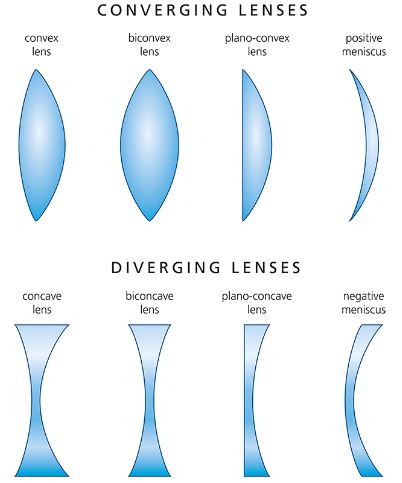
She called the lenses that were thick in the middle and thin at the edges “convex lenses”, because they made things look bigger and closer.
She called the lenses that were thin in the middle and thick at the edges “concave lenses”, because they made things look smaller and farther away.
She learned that convex lenses are also called “converging lenses”, because they bend light rays inward and make them meet at a point called the “focal point”.
She learned that concave lenses are also called “diverging lenses”, because they bend light rays outward and make them spread apart from a point called the “focal point”.
She also learned that there are different types of convex and concave lenses based on how curved they are on both sides. For example, a lens that is curved on both sides equally is called a “biconvex lens” or a “biconcave lens”, depending on whether it is convex or concave.
A lens that is flat on one side and curved on the other is called a “plano-convex lens” or a “plano-concave lens”, depending on whether it is convex or concave.
She had fun experimenting with different combinations of lenses and seeing how they changed the way things looked.
She realized that lenses are used in many devices that help people see better or differently, such as glasses, cameras, telescopes, microscopes, and projectors.
She was amazed by how much she could learn from playing with lenses. She decided to keep the box of lenses and use them to explore more of the world around her.
Once upon a time, there was a little girl named Nikki who loved to eat honey.
She liked how sweet and sticky it was, and how it made her toast taste better.
One day, she decided to make some honey toast for herself. She took a slice of bread and put it in the toaster. Then she went to the cupboard and took out a jar of honey. She opened the lid and tried to pour some honey on a plate. But she noticed something strange. The honey was very slow to come out of the jar. It looked like it was moving in slow motion.
Nikki wondered why the honey was so slow. She remembered that her father had told her that honey was made by bees. She thought maybe the bees had made the honey too thick and sticky.
She decided to make the honey thinner and faster by adding some water to it. She went to the sink and filled a glass with water. Then she poured some water into the jar of honey and shook it well. She hoped that the water would make the honey flow faster. She opened the lid again and tried to pour some honey on the plate. But she noticed something else strange. The honey was still slow to come out of the jar, but now it looked different. It looked more watery and less sticky. It also looked less yellow and more clear.
Nikki wondered why the honey had changed. She tasted some of the honey on her finger. It was not as sweet as before. It tasted more like water than honey. Nikki did not like it at all. She felt sad that she had ruined her favorite food. She heard a beep from the toaster. Her toast was ready. She took it out and put it on another plate. She looked at the jar of honey and the plate of watery honey. She did not want to eat either of them. She wished she had left the honey alone. She decided to ask her father for help. She ran to her father’s room and knocked on the door.
“Papa, can you help me?” she said. “Sure, sweetie, what’s wrong?” her father said. “I tried to make some honey toast, but I messed up the honey,” Nikki said. “How did you mess up the honey?” her father asked. “I added some water to it, because it was too slow to come out of the jar,” Nikki said. “Oh, I see,” her father said. “You added water to the honey because you wanted it to flow faster, right?” “Yes,” Nikki said.
“Well, you see, honey is a special kind of liquid that has a property called viscosity,” her father explained.
“Viscosity? What’s that?” Nikki asked.
“Viscosity is how thick or thin a liquid is, and how fast or slow it flows,” her father said. “Honey has a high viscosity, which means it is thick and slow. Water has a low viscosity, which means it is thin and fast.”
“So when I added water to the honey, I lowered its viscosity?” Nikki asked.
“That’s right,” her father said. “You made the honey thinner and faster, but you also changed its color, texture, and taste.”
“Is that why it looked different and tasted bad?” Nikki asked.
“Yes,” her father said. “You diluted the honey with water, so you lost its sweetness and stickiness.”
“Can I fix it?” Nikki asked. “I’m afraid not,” her father said. “Once you mix two liquids together, you can’t separate them easily.” “Oh no,” Nikki said.
“Don’t worry, sweetie, we can get some more honey later,” her father said. “But for now, let me show you something fun.” “What is it?” Nikki asked.
“Come with me,” her father said. Her father took her to the kitchen and showed her two bottles of liquid soap: one blue and one red. “These are also liquids with different viscosities,” her father said. “The blue soap has a higher viscosity than the red soap.” “How do you know?” Nikki asked. “Let’s find out,” her father said.
He took two glasses and filled them with water. Then he poured some blue soap into one glass and some red soap into another glass. “Watch what happens,” he said. Nikki watched as the blue soap sank slowly to the bottom of the glass, forming a thick layer under the water. The red soap sank faster than the blue soap, forming a thinner layer under the water. “Do you see how the blue soap is slower than the red soap?” her father asked. “Yes,” Nikki said. “That’s because the blue soap has a higher viscosity than the red soap,” her father said. “It is thicker and slower, so it takes more time to sink.” “I get it,” Nikki said.
“Viscosity is everywhere, sweetie,” her father said. “You can find it in many liquids, like honey, water, soap, oil, syrup, milk, juice, and more. Some liquids have high viscosity and some have low viscosity. Some liquids flow fast and some flow slow. Some liquids are thick and some are thin. Viscosity is what makes them different.” “Wow, that’s cool,” Nikki said.
Today she learnt a lot about viscosity and had a lot of fun. Nikki forgot about her ruined honey toast and enjoyed her new honey adventure. She thanked her father for teaching her about viscosity and giving her a sweet lesson.
Once upon a time, there was a little girl named Nikki who loved to look at the sky. She was fascinated by the stars and the moon, but her favorite thing to watch was the sun. She wondered how the sun could shine so brightly and warmly every day.
One day, she asked her father, “Papa, how does the sun make light and heat?”
Her father smiled and said, “That’s a very good question, Nikki. The sun makes light and heat by a process called nuclear energy. Do you know what nuclear energy is?”
Nikki shook her head. She had never heard of nuclear energy.
Her father said, “Nuclear energy is a very powerful way of making energy from tiny things called atoms. Atoms are so small that you can’t see them with your eyes. They are the building blocks of everything in the world. Even you and I are made of atoms.”
Nikki was amazed. She couldn’t believe that she was made of tiny things that she couldn’t see.
Her father continued, “Atoms are made of even smaller things called protons, neutrons and electrons. Protons and neutrons are in the center of the atom, called the nucleus. Electrons are around the nucleus, like planets around the sun.”
He drew a picture of an atom on a piece of paper and showed it to Nikki.
Nikki looked at the picture and said, “So the nucleus is like the sun and the electrons are like the stars?”
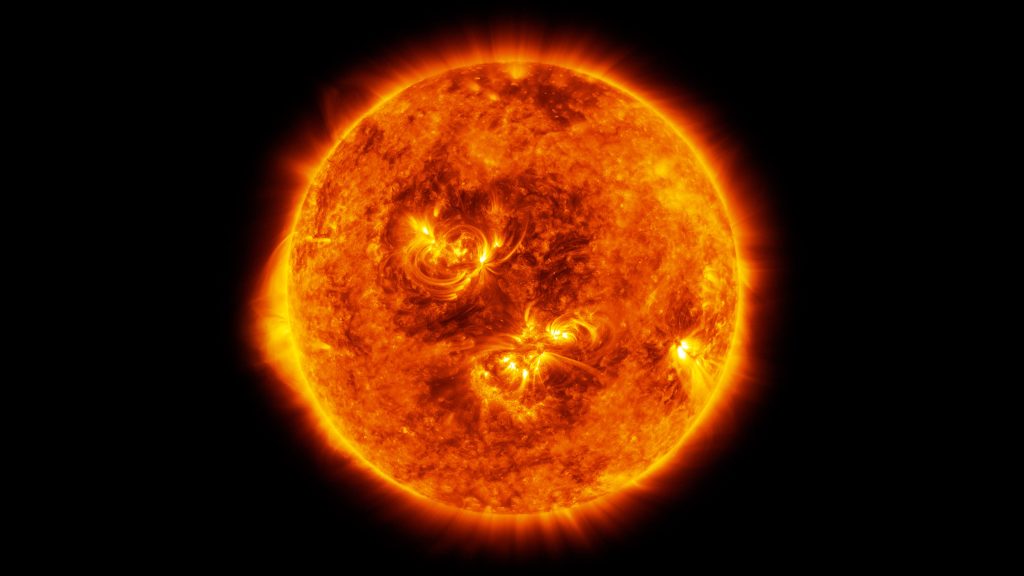
Her father nodded and said, “Yes, that’s a good way to think about it. Now, in the sun, there are many atoms that are very close together. Sometimes, two atoms collide with each other and stick together. This is called fusion. When fusion happens, some of the mass of the atoms is converted into energy. This energy produced by Nuclear Fusion is what makes the sun shine and give us light and heat.”
He drew another picture of two atoms fusing together and releasing energy.
Nikki looked at the picture and said, “Wow, that’s amazing! So the sun is like a big ball of fire?”
Her father said, “Yes, you can say that. But fire is different from nuclear energy. Fire is a chemical reaction that involves oxygen and fuel. Nuclear energy is a physical reaction that involves atoms and nuclei.”
Nikki appreciated the concept of nuclear fusion and the process of heat and light production on Sun .
Once upon a time, there was a little girl named Nikki. She loved playing outside and watching the birds fly in the sky. One day, she asked her father why the birds could fly so high and why they never got tired.
Her father explained that the birds had a lot of energy that they got from the sun.
Nikki was curious and asked her father how she could get energy from the sun too.
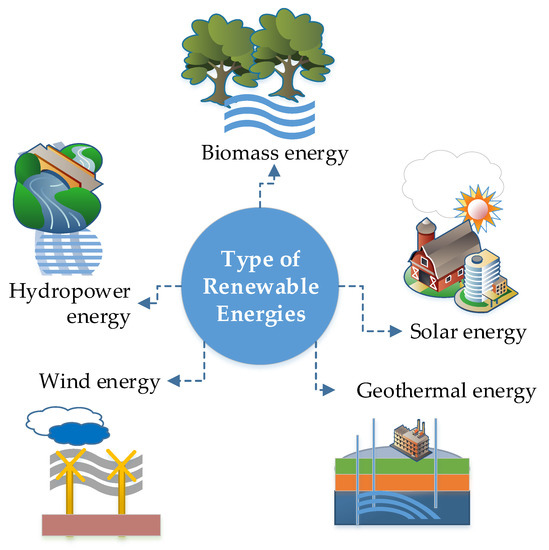
Her father told her that there are many ways to get energy from the sun. One way is to use solar panels. Solar panels are like magic mirrors that can turn sunlight into electricity. Another way is to use wind turbines. Wind turbines are like giant pinwheels that spin when the wind blows. They can also make electricity.
Nikki’s father also told her about other sources of renewable energy like hydroelectricity, geothermal energy, biomass and hydrogen fuels. These sources of energy are sustainable and generate fewer greenhouse gas emissions than fossil fuels.
Nikki was amazed by all the different ways we can get energy from nature without harming it. She decided that she wanted to learn more about renewable energy so she could help protect the planet for all the animals and people who live on it.





 Short stories for kids